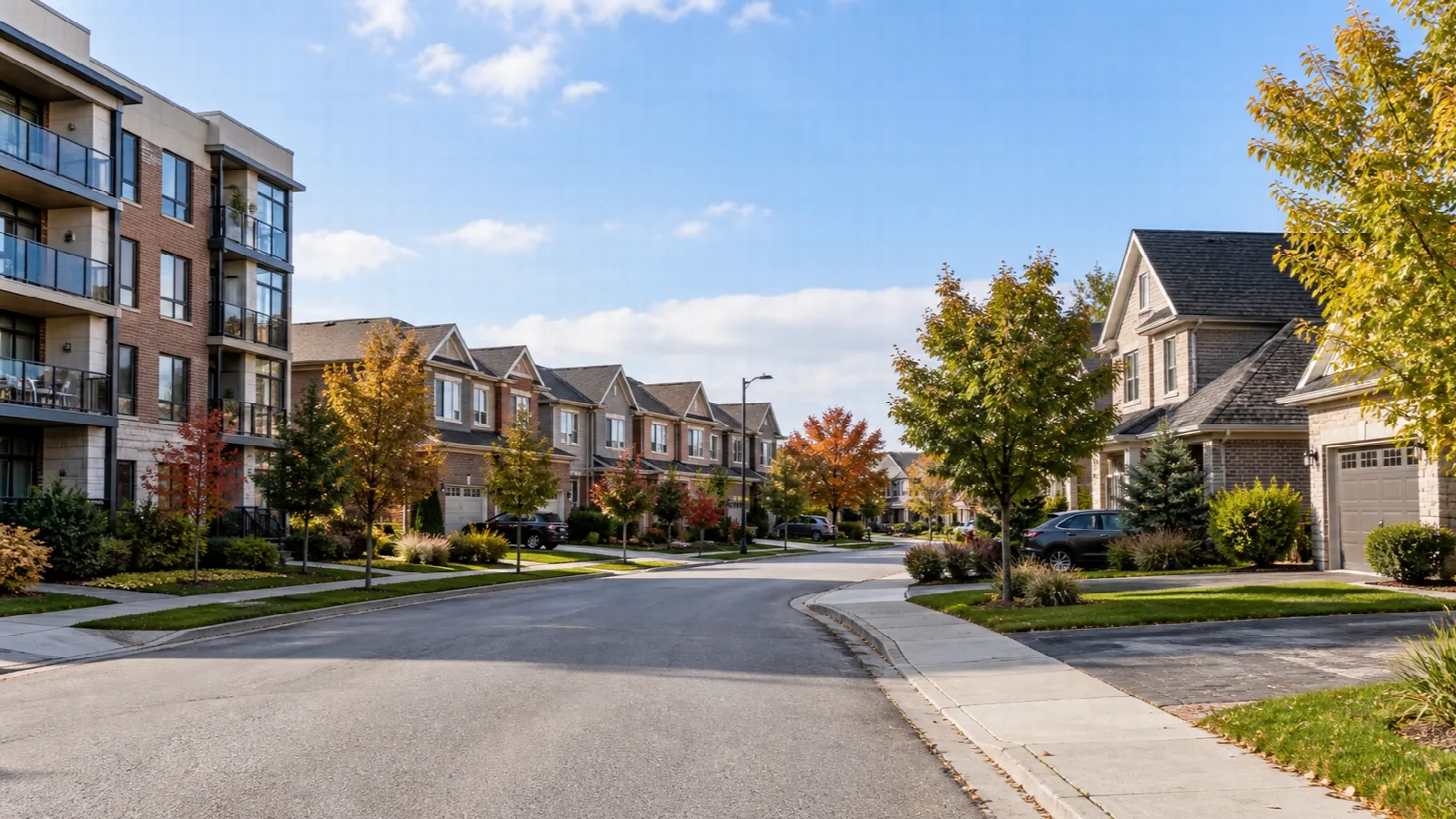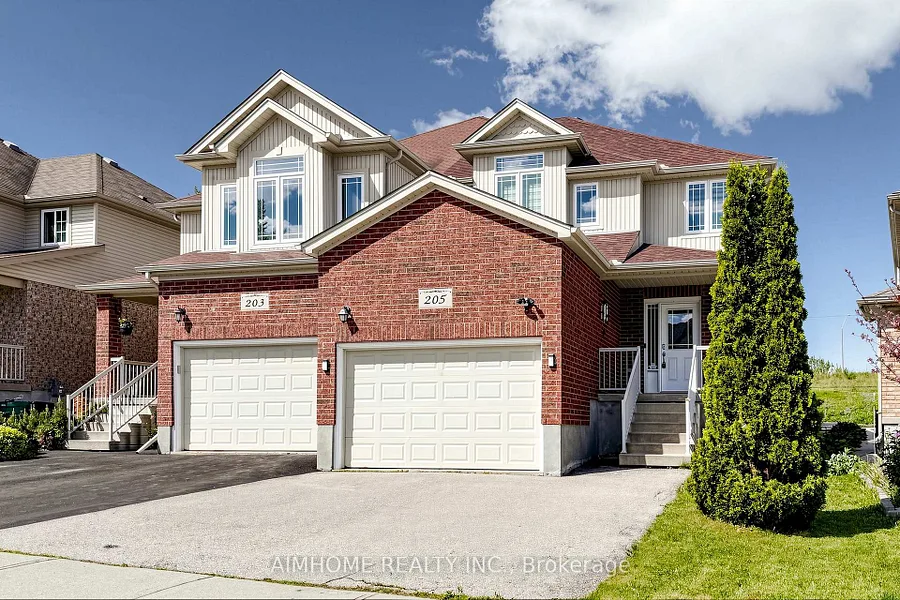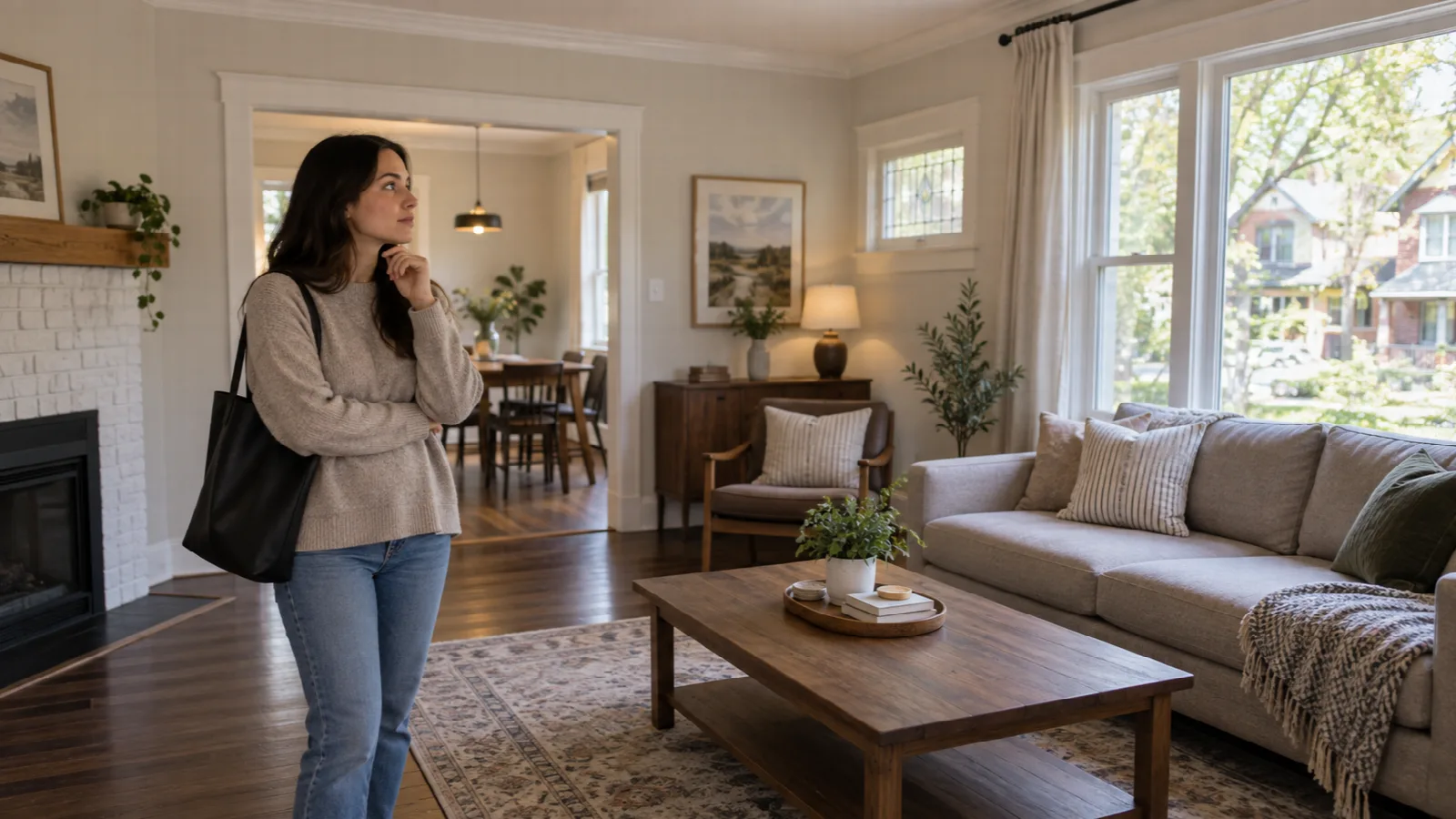
The photos were polished. The kitchen looks even better in person. Before the showing is over, you are arranging furniture in your head and worrying that someone else will buy the home first.
That excitement is real information: something about the property connects with you. It is not, by itself, enough information for a purchase.
Name what you actually love
Is it the natural light, the street, the layout, the yard or the feeling created by staging? Separate features attached to the property from furniture, artwork and finishes that can be changed.
This is not an exercise in talking yourself out of the home. It helps you see whether the strongest appeal comes from lasting qualities or presentation. If the home still stands out after that distinction, your interest has a clearer foundation.
Replay an ordinary day
Picture a rushed weekday rather than a quiet showing. Bring in groceries. Park both vehicles. Find space for coats, recycling and the vacuum. Consider the route to work, school or transit. Ask where you would take a private call or host an overnight guest.
A beautiful room can distract from a difficult entrance, limited storage or a commute you have not tested. Return to the property if possible and use the practical home-showing checklist to look at each space consistently.
Turn impressions into questions
“Recently updated” should lead to questions about what was changed, when and whether permits or records are available where relevant. A finished basement invites questions about moisture, exits, ceiling height and how the space is represented. Parking, rental equipment, fixtures and condominium elements also need confirmation.
You do not have to diagnose the property yourself. Note what you observe and identify the appropriate person to ask: the seller through their representative, a home inspector, your lawyer, an insurer or another qualified specialist.
Recheck the complete cost
Strong emotion can make the difference between the asking price and your planned limit feel small. Bring the decision back to the total monthly and upfront cost, including taxes, insurance, utilities, maintenance, closing expenses and any immediate work.
Confirm financing assumptions with your mortgage professional for the specific property. Approval and affordability are related but not identical; your normal expenses and comfort with risk belong in the decision.
Read the agreement at the speed it deserves
An offer is a legal commitment if accepted according to its terms. Price matters, but so do the deposit, inclusions, exclusions, conditions, dates and other clauses. Ask questions until you understand what is proposed.
The guide to questions before an Ontario home offer can organize the discussion. Your real-estate lawyer should advise on legal wording and consequences for your circumstances.
Use a pause that has a purpose
Slowing down does not always mean waiting several days or expecting the property to remain available. It means taking a deliberate interval to compare the home with your criteria, verify available facts, consult the right professionals and understand the document you may sign.
Set that process before you fall in love with a listing. Decide who needs to be called, which numbers need confirmation and which questions must be answered. Then the pause becomes a checklist rather than hesitation.
You can keep comparing current featured properties, or decide that this one genuinely fits. Either result is useful. A good buying decision allows room for enthusiasm and due diligence at the same table.
If the checks support the feeling, slowing down has not weakened the decision. It has helped you understand why the home works and which responsibilities come with it.
This article is provided for general information only and is not intended as legal, financial, mortgage or tax advice. Individual circumstances vary, and appropriate professional advice should be obtained where required.