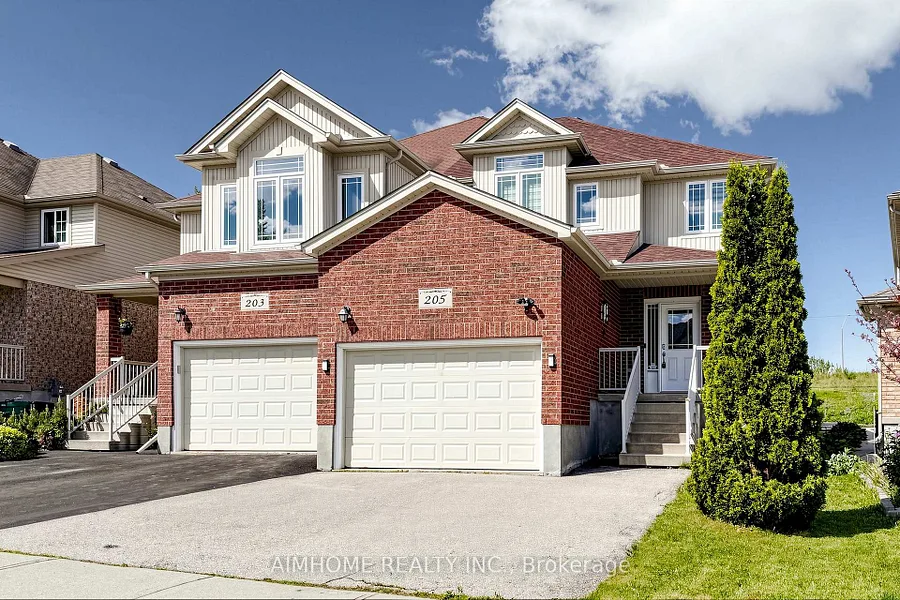
It is easy to begin a home search by opening a listings app and saving anything that looks appealing. The trouble is that every attractive kitchen or finished basement can pull the search in a different direction.
A more useful first step is to decide what the home needs to do for you. That makes it easier to compare properties in Brampton without losing sight of your budget, routine and longer-term plans.
1. Start with a comfortable total budget
The maximum amount a lender may approve and the amount you feel comfortable spending are not always the same. Think about the monthly payment alongside property taxes, utilities, insurance, maintenance, commuting and the rest of your normal expenses.
There are also costs that arrive before and at closing. Review the expenses beyond an Ontario home's purchase price early, so the cash needed for the transaction does not come as a surprise. A qualified mortgage professional can explain financing choices based on your individual situation.
The CMHC Homebuying Step by Step guide (external website) also provides worksheets and a checklist for organizing the process.
2. Map the home around your real week
Location is more than the name of a neighbourhood. Write down the places you regularly need to reach: work, family, school, child care, transit, medical appointments, shopping or recreation. Then consider the trip at the times you would actually make it.
A property that adds a difficult commute may not feel like the right fit after the novelty wears off. On the other hand, a home a little farther from one destination might work well if it keeps the rest of your week simple. Test the route rather than relying only on a map estimate.
3. Choose a home type by lifestyle
A condo can reduce some exterior maintenance, but it comes with rules, shared spaces and monthly fees. A townhouse may offer more room while still requiring decisions about shared elements. A detached home may provide more privacy and outdoor space, along with more maintenance responsibility.
None is automatically the better choice. Use this condo, townhouse and detached-home comparison to identify the trade-offs that matter to you.
4. Separate needs from preferences
Make three short lists: must have, would like and not important. A required parking space belongs in a different category from a preferred countertop colour. Be specific. “Enough space” is vague; “three bedrooms and a place to work behind a closed door” is something you can assess during a showing.
Talk through future needs too. You do not have to predict the next decade, but it helps to consider whether a change in work, mobility, family size or caregiving could make the layout frustrating sooner than expected.
5. Learn from the first few showings
Your priorities may change when you see homes in person. Perhaps a smaller yard feels manageable, or a layout that looked efficient online feels cramped. Treat early showings as useful information, not pressure to make an offer.
Keep brief notes after each visit and adjust your criteria deliberately. When you are ready, explore current featured properties and compare each one against the same practical list.
A clear search is not about finding a flawless home. It is about recognizing which compromises you can live with and which ones will affect you every day.
Before the first appointment, share the list with everyone involved in the purchase. Agree on the few items that would make a property unsuitable and the questions that still need professional input. That short conversation can keep a busy weekend of showings focused and make the notes you take afterward much easier to compare.
This article is provided for general information only and is not intended as legal, financial, mortgage or tax advice. Individual circumstances vary, and appropriate professional advice should be obtained where required.