Ask several people which part of Brampton to choose and you may receive several confident answers. The problem is that they may value a different commute, home style, street setting or set of services than you do.
An area is a practical fit when it supports your regular life. Use broad online research to create a shortlist, then test each place in person.
Map the trips you make repeatedly
Start with work, school, family, child care, appointments and any place you visit every week. Check routes at realistic times rather than relying on a single off-peak estimate. If transit matters, review the specific stops, schedules, transfers and walking route you would use.
Try the drive or transit trip where possible. A route that appears short on a map may feel different during a regular morning, while a slightly longer distance may have a more workable connection.
Compare the housing, not just the area name
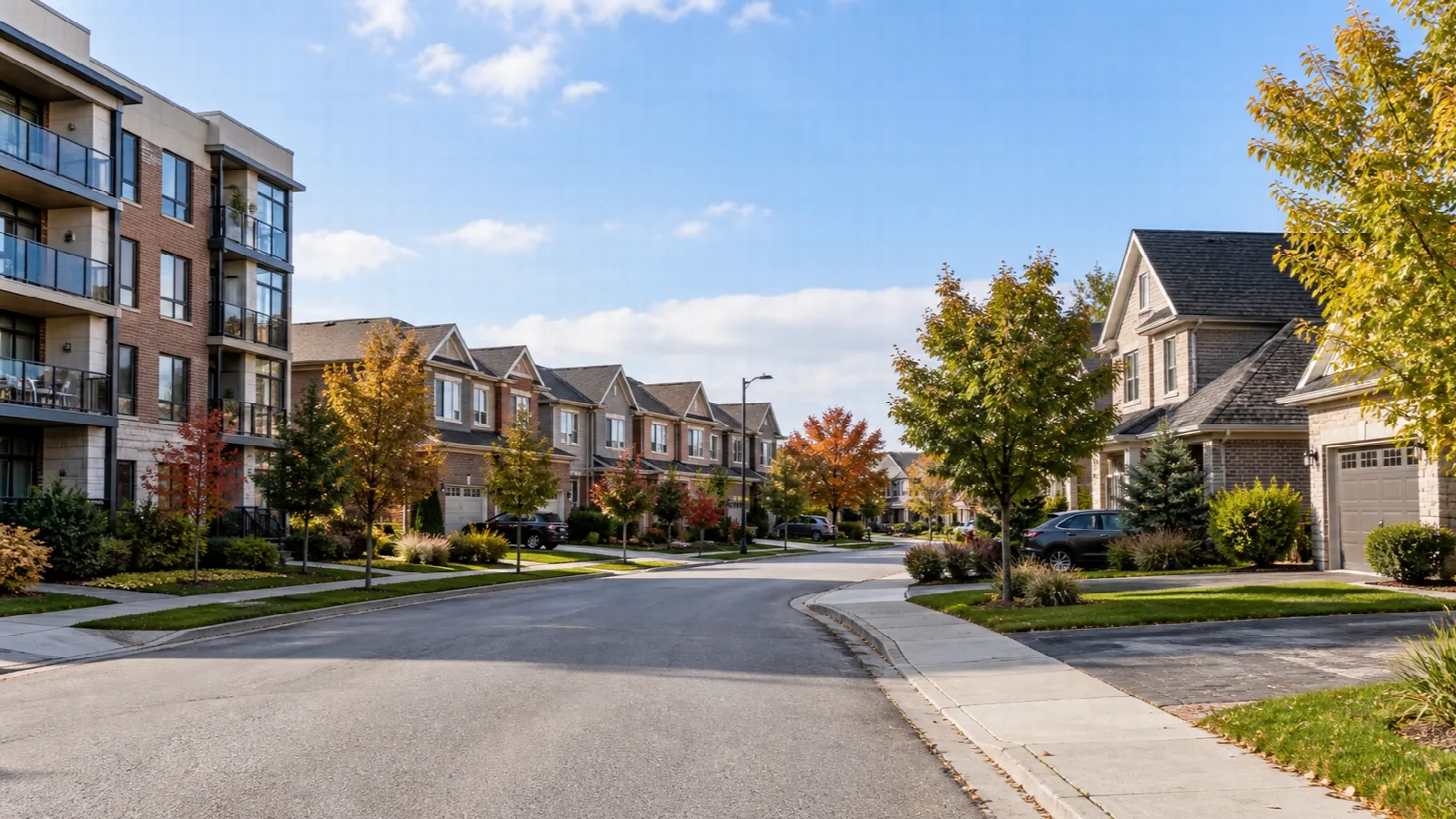
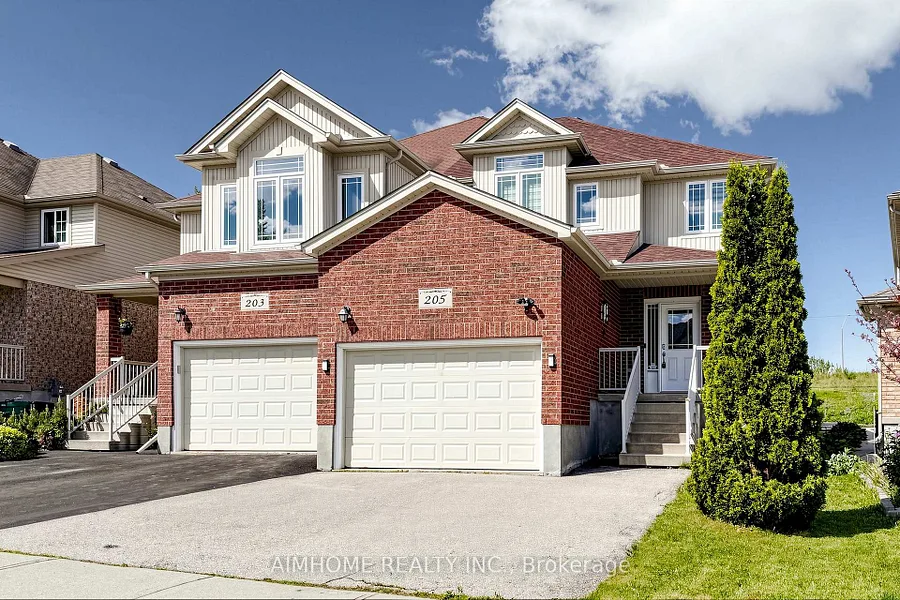
Within one general part of the city, streets and housing can vary. Look at lot sizes, building age, parking arrangements, density, condominium structures and the mix of property types. Notice whether the available homes match both your budget and the way you want to maintain a property.
If you are deciding between forms of ownership, the condo, townhouse and detached-home comparison provides a practical way to frame the choice.
Check everyday services for yourself
List the services that matter to your household: groceries, health care, places of worship, recreation, libraries, parks or other community spaces. Then confirm locations, hours, eligibility and current programs directly with the relevant provider.
School boundaries and programs can change and should be verified with the applicable school board. Do not rely on a listing description or an old map for enrollment eligibility. The same caution applies to future transit service and planned facilities.
The City of Brampton parks and open spaces page (external website) links to current park, trail and recreation mapping that can help with first-hand research.
Visit more than once
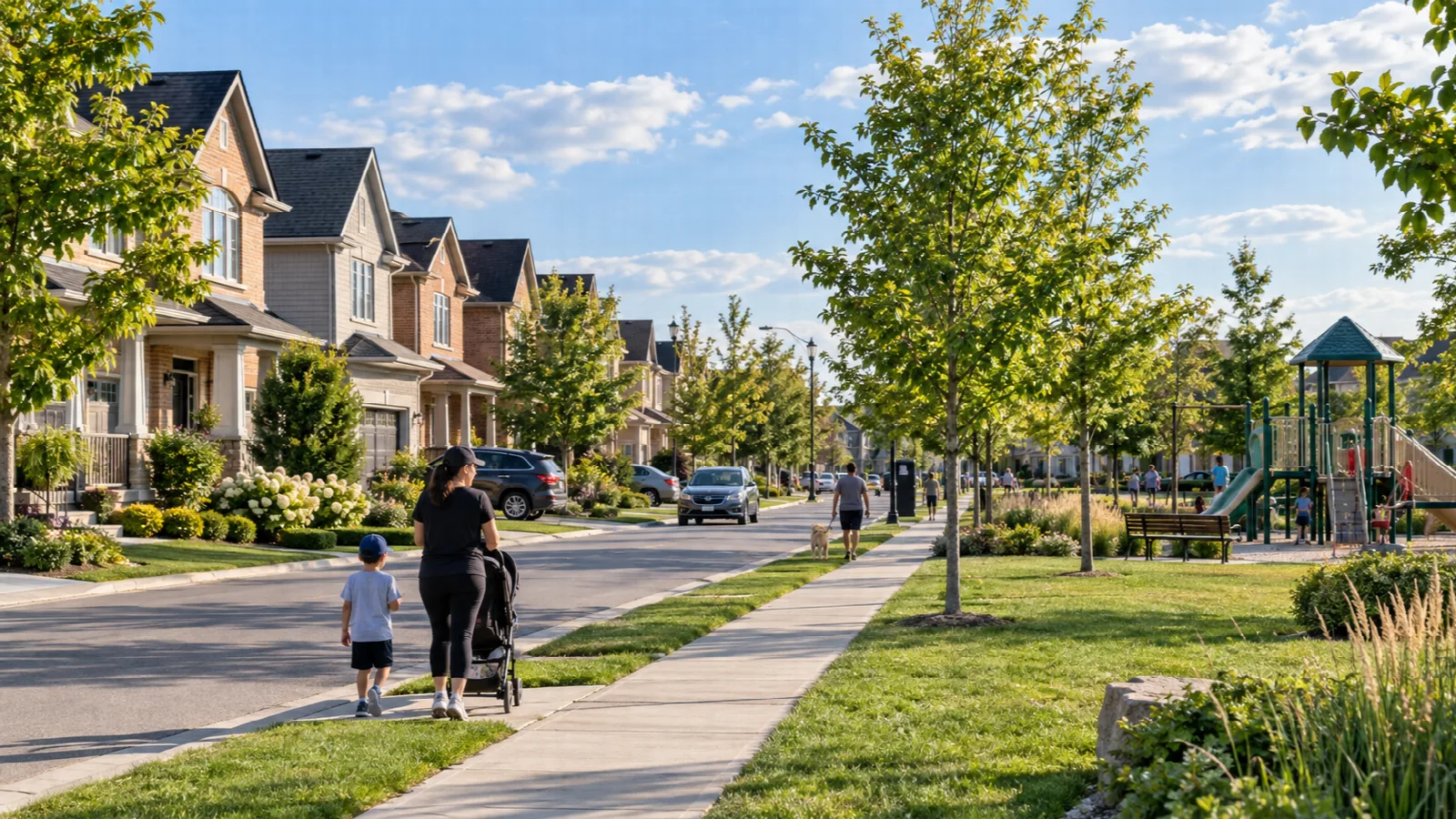
Walk the block and nearby routes during the day and evening at reasonable times. Listen to traffic and other activity. Look at lighting, sidewalks, street parking, slopes and how you would reach a transit stop or park. Weather and seasons change the experience, so ask yourself what the same routine might feel like in winter.
A visit is not a guarantee about future noise, traffic or neighbours. It is simply better evidence than a photograph. If you attend a property, use the home-showing checklist to assess the building and immediate setting together.
Look at official plans without trying to predict the future
Municipal planning pages and development applications can show what is proposed or under review. A proposal is not the same as a completed project, and plans can change. Ask the City about the status of an item that could materially affect your decision and obtain professional advice where appropriate.
Avoid shortcuts disguised as rankings
Labels such as “best,” “up-and-coming” or “perfect for families” flatten real differences and may rest on assumptions that do not fit you. Define observable criteria instead: maximum travel time, required parking, proximity to a particular service, a preferred housing form or access to a trail.
Begin with the five questions for Brampton home buyers, then review current featured properties to see where your criteria and available homes overlap. Your own repeated routine is a more useful guide than someone else's neighbourhood label.
This article is provided for general information only and is not intended as legal, financial, mortgage or tax advice. Individual circumstances vary, and appropriate professional advice should be obtained where required.